Start Free Today
Enroll in the Ministerial Bible Study Series — 66 books, 251 lessons, completely free forever.
Enroll Free →Seasonal Foraging Guide
Wild greens, berries, fruit, nuts and mushrooms month by month — where they grow, how to use them, and the look-alikes to watch for.
Meet Our Contributing Authors
Read devotionals and Bible studies shared by members of our community.
Read Their Articles →Best foraging near you right now
What’s in season this month and actually being found within about 50 miles of you.
Your location is rounded to about 7 miles and never saved on our site.
Sightings from iNaturalist research-grade observations. Photos © their photographers via iNaturalist, used under Creative Commons licenses.
Season calendar
Typical seasons for the eastern and central United States. Farther south things come in earlier; farther north and higher up, later.
What to look for
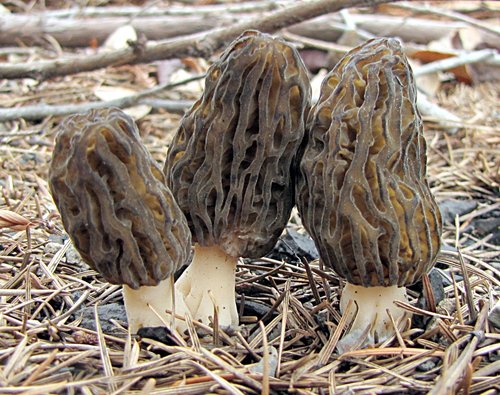
Mushrooms · Marso–Mayo
Morel mushrooms
Morchella
Where: Woods edges, around dying elms, ash and old apple orchards, once the soil warms to about 50°F.
Look-alikes & cautions: False morels are poisonous. A true morel is completely hollow from tip to stem when sliced lengthwise, and the cap is attached at the bottom. Always cook — never eat raw.
Use: Sauté, fry or dry
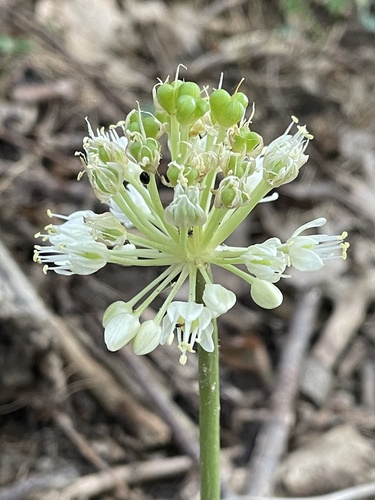
Greens & shoots · Marso–Mayo
Ramps (wild leeks)
Allium tricoccum
Where: Rich, moist hardwood forests in the East and Midwest.
Look-alikes & cautions: Lily of the valley and false hellebore are poisonous look-alikes — a crushed ramp leaf smells strongly of onion and garlic. Take one leaf per plant and leave the bulb; ramps grow back very slowly.
Use: Fresh, pickled, frozen or dried
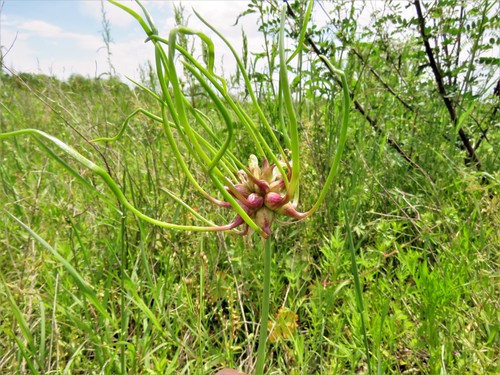
Greens & shoots · Marso–Mayo
Wild onion & wild garlic
Allium canadense
Where: Lawns, fields and open woods in early spring.
Look-alikes & cautions: Death camas looks similar and is deadly but has no onion smell. If it doesn’t smell like onion, don’t eat it.
Use: Use like chives or garlic
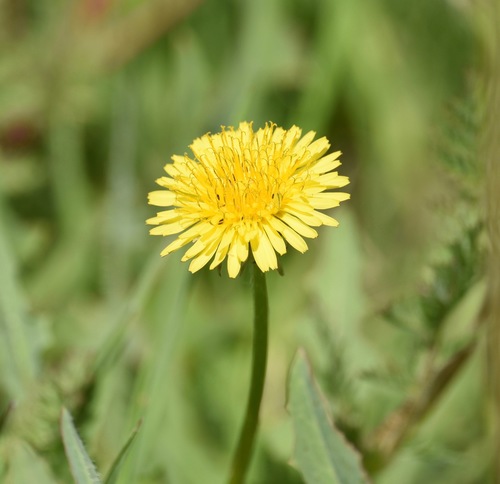
Greens & shoots · Marso–Oktubre
Dandelion
Taraxacum
Where: Lawns, fields and roadsides — pick where nothing has been sprayed.
Look-alikes & cautions: True dandelion has one flower on a hollow, leafless stem and toothed, hairless leaves. Look-alikes such as cat’s-ear and chicory are also edible.
Use: Young greens, flowers and roots
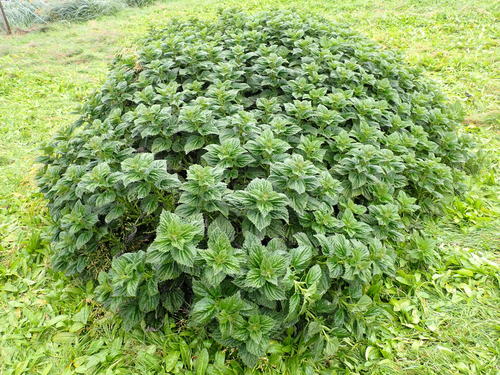
Greens & shoots · Marso–Hunyo
Stinging nettle
Urtica dioica
Where: Moist, rich soil along streams and woods edges.
Look-alikes & cautions: Wear gloves. Cooking, blanching or drying removes the sting. Pick the top 4–6 leaves before the plant flowers.
Use: Cooked greens, soup and tea
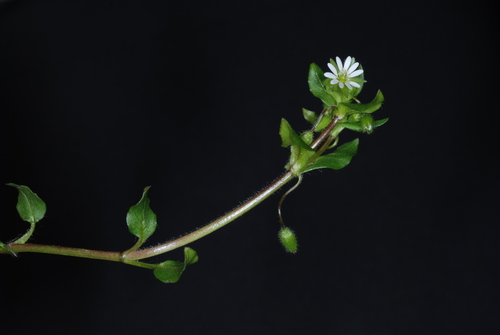
Greens & shoots · Marso–Mayo, Setyembre–Nobyembre
Chickweed
Stellaria media
Where: Lawns and garden beds in cool weather.
Look-alikes & cautions: Scarlet pimpernel (toxic) looks similar but has orange-red flowers and square stems. Chickweed has white star flowers and a single line of hairs along the stem.
Use: Fresh in salads
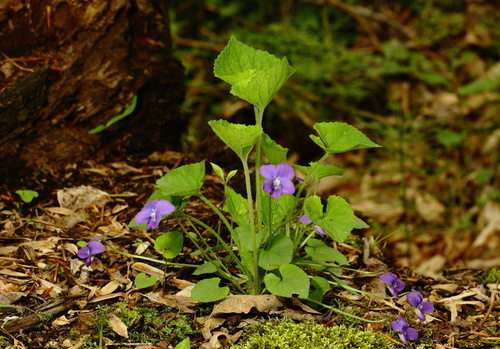
Greens & shoots · Marso–Mayo
Wild violets
Viola sororia
Where: Lawns, shady yards and open woods.
Look-alikes & cautions: Common blue violet leaves and flowers are edible. African violets (houseplants) are not true violets and are not eaten.
Use: Salads, syrup, jelly and tea
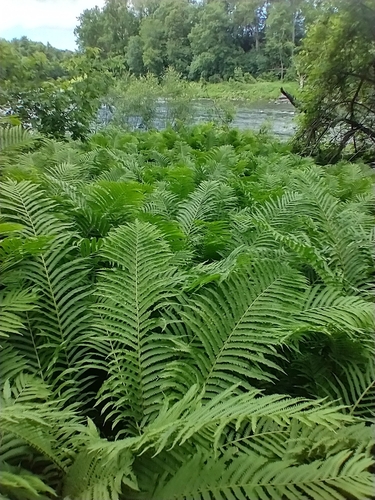
Greens & shoots · Abril–Mayo
Fiddleheads (ostrich fern)
Matteuccia struthiopteris
Where: Stream banks and moist bottomland in the North.
Look-alikes & cautions: Only ostrich fern: smooth stems with a deep U-shaped groove inside and brown papery scales. Bracken and other ferns can be harmful. Always boil 15 minutes or steam 10–12 minutes before eating.
Use: Always cooked
Greens & shoots · Abril–Hunyo
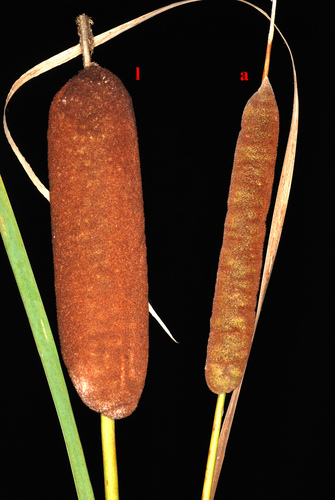
Cattail shoots
Typha
Where: Marshes, ponds and ditches with clean water.
Look-alikes & cautions: Young cattail can be confused with iris, which is poisonous — iris leaves are flat and fan out from the base; cattail has a round base. Avoid polluted water.
Use: Peeled shoots, raw or cooked
Greens & shoots · Abril–Mayo
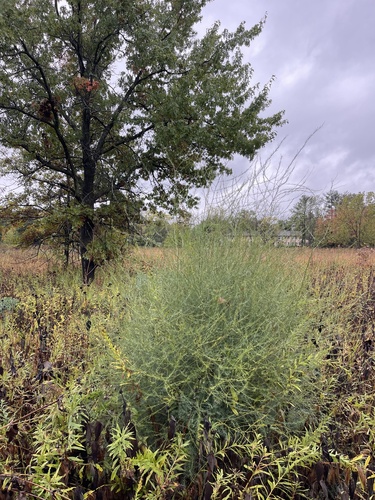
Wild asparagus
Asparagus officinalis
Where: Fencerows, ditches and old homesteads — look for last year’s tall feathery stalks.
Look-alikes & cautions: Pick only where roadsides and ditches aren’t sprayed.
Use: Like garden asparagus
Learn With Others
The best way to learn wild foods is alongside someone who knows them. Ask for identification help in the Foraging group — post clear photos of every part of the plant or mushroom — and never eat anything on an online ID alone.