Look-alikes Kill
Never eat a wild plant or mushroom on one photo or app. U.S. Poison Control: 1-800-222-1222.
Safety & Ethics →Seasonal Foraging Guide
Wild greens, berries, fruit, nuts and mushrooms month by month — where they grow, how to use them, and the look-alikes to watch for.
Foraging Tracker
Log what you find and when, and build your own calendar for your land.
Open the Tracker →Best foraging near you right now
What’s in season this month and actually being found within about 50 miles of you.
Your location is rounded to about 7 miles and never saved on our site.
Sightings from iNaturalist research-grade observations. Photos © their photographers via iNaturalist, used under Creative Commons licenses.
Season calendar
Typical seasons for the eastern and central United States. Farther south things come in earlier; farther north and higher up, later.
What to look for
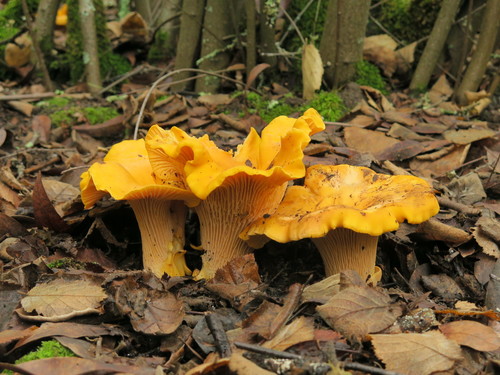
Mushrooms · June–September
Chanterelles
Cantharellus
Where: Hardwood forests (oak, beech) on the ground after summer rains.
Look-alikes & cautions: Jack-o’-lantern mushrooms are poisonous: they grow in clusters on wood and have sharp, true gills. Chanterelles grow singly from soil with blunt, forked ridges and pale, stringy flesh inside.
Use: Sauté; freeze after cooking
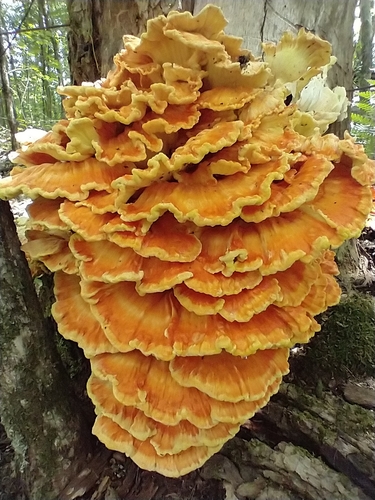
Mushrooms · June–October
Chicken of the woods
Laetiporus
Where: Bright orange-yellow shelves on living or dead oaks and other hardwoods.
Look-alikes & cautions: Cook thoroughly. Some people react, especially to ones growing on conifers, eucalyptus or locust — try a small amount first. Pick the tender outer edges.
Use: Cook like chicken; freeze after cooking
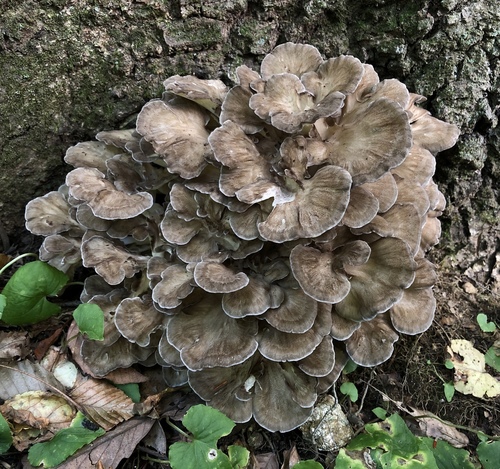
Mushrooms · September–October
Hen of the woods (maitake)
Grifola frondosa
Where: Clusters at the base of oak trees in early fall, often the same tree every year.
Look-alikes & cautions: Check the underside has tiny pores, not gills. The black-staining polypore looks similar and is edible but tough.
Use: Roast, sauté, dry or freeze
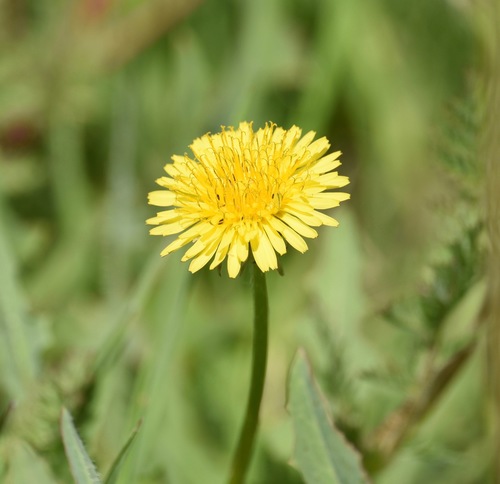
Greens & shoots · March–October
Dandelion
Taraxacum
Where: Lawns, fields and roadsides — pick where nothing has been sprayed.
Look-alikes & cautions: True dandelion has one flower on a hollow, leafless stem and toothed, hairless leaves. Look-alikes such as cat’s-ear and chicory are also edible.
Use: Young greens, flowers and roots
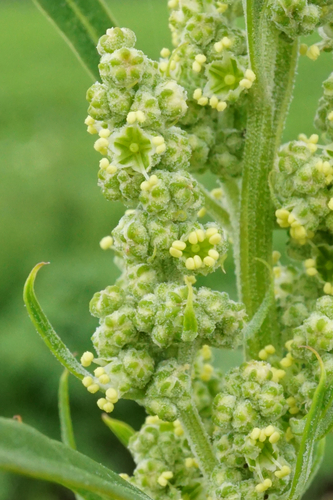
Greens & shoots · May–September
Lamb’s quarters
Chenopodium album
Where: Gardens, barnyards and disturbed ground.
Look-alikes & cautions: Young leaves have a white, mealy coating underneath. Like spinach it is high in oxalates — eat cooked and in moderation.
Use: Cook like spinach
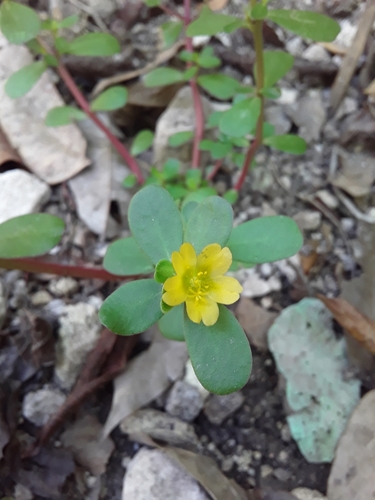
Greens & shoots · June–September
Purslane
Portulaca oleracea
Where: Gardens, sidewalk cracks and hot, sunny ground.
Look-alikes & cautions: Spotted spurge looks similar but is toxic: it has milky white sap and thin, wiry stems. Purslane has thick, juicy stems and clear sap.
Use: Fresh in salads or pickled
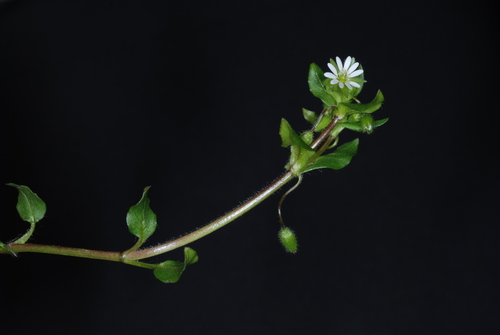
Greens & shoots · March–May, September–November
Chickweed
Stellaria media
Where: Lawns and garden beds in cool weather.
Look-alikes & cautions: Scarlet pimpernel (toxic) looks similar but has orange-red flowers and square stems. Chickweed has white star flowers and a single line of hairs along the stem.
Use: Fresh in salads
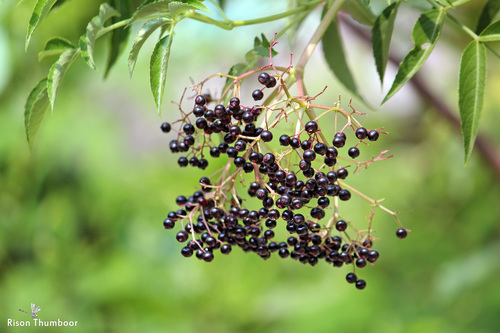
Berries · August–September
Elderberries
Sambucus canadensis
Where: Wet ground, ditches and fencerows; creamy flower heads in June.
Look-alikes & cautions: Raw berries, stems, leaves and unripe fruit are toxic — cook ripe berries and remove every stem. Water hemlock (deadly) and pokeweed grow in the same places; elder is a woody shrub with opposite, compound leaves.
Use: Cooked syrup, jelly and pies
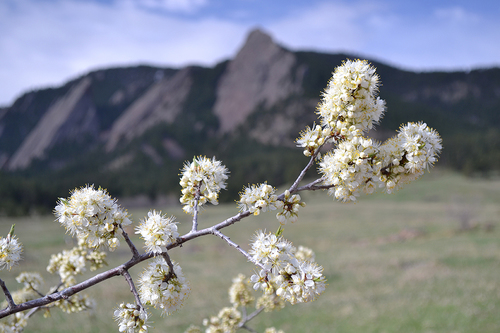
Fruit · July–September
Wild plums
Prunus americana
Where: Thickets along fencerows and field edges.
Look-alikes & cautions: Don’t eat the pits — they contain cyanide-forming compounds.
Use: Jam, canned or dried
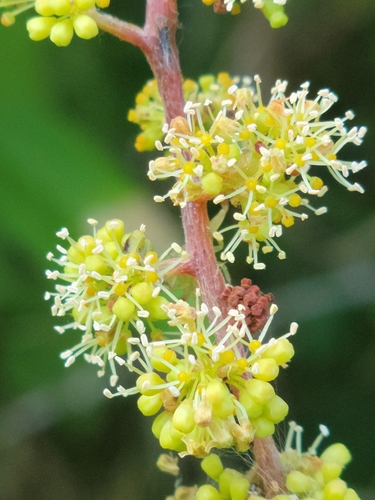
Fruit · August–October
Wild grapes & muscadines
Vitis
Where: Climbing over trees and fences along woods edges.
Look-alikes & cautions: Canada moonseed is poisonous: it has one crescent-shaped seed per fruit and no forked tendrils. Wild grapes have pear-shaped seeds and forked tendrils.
Use: Juice, jelly and wine
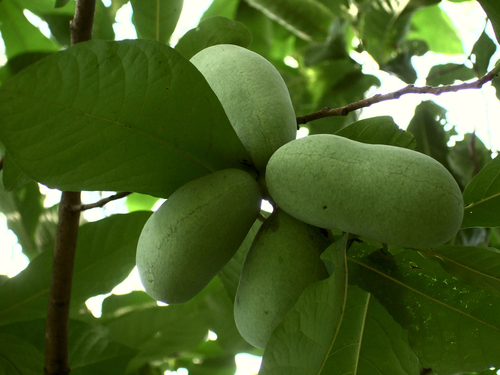
Fruit · August–October
Pawpaws
Asimina triloba
Where: River bottoms and shady understory in the East and Midwest.
Look-alikes & cautions: Eat only the ripe pulp — skin and seeds are not eaten. A few people get an upset stomach.
Use: Fresh or frozen pulp
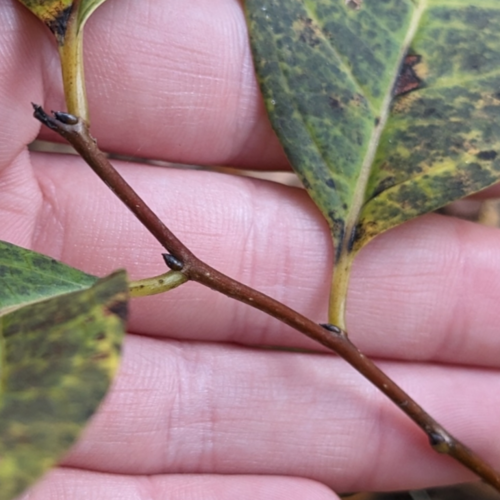
Fruit · September–November
Wild persimmons
Diospyros virginiana
Where: Old fields and woods edges in the South and Midwest.
Look-alikes & cautions: Eat only when soft and fully ripe — unripe fruit is painfully astringent.
Use: Pulp for breads and puddings
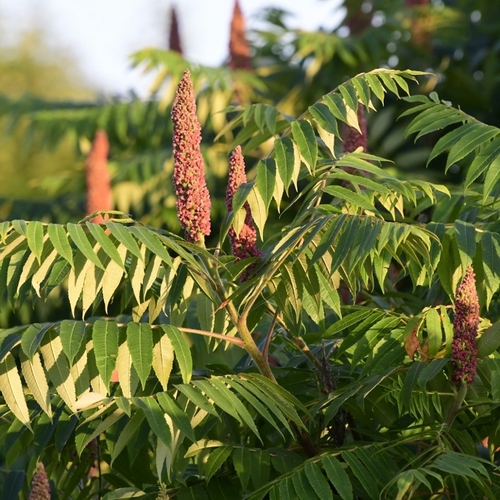
Fruit · July–September
Staghorn & smooth sumac
Rhus
Where: Fields and roadsides — red, fuzzy, upright berry clusters.
Look-alikes & cautions: Poison sumac has white, drooping berries and grows in swamps — avoid it. Anyone allergic to cashews or mangoes should skip sumac.
Use: Lemony tea and spice
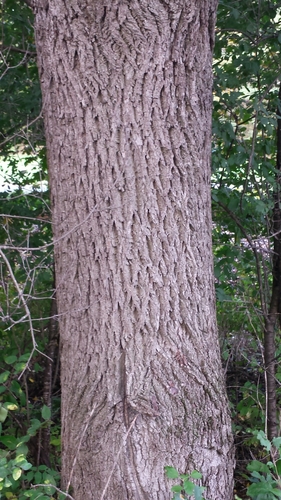
Nuts · September–October
Black walnuts
Juglans nigra
Where: Fields, fencerows and river bottoms.
Look-alikes & cautions: Wear gloves — the husks stain. Hull, wash and cure nuts 2–3 weeks in a dry, airy spot before cracking.
Use: Baking and candy
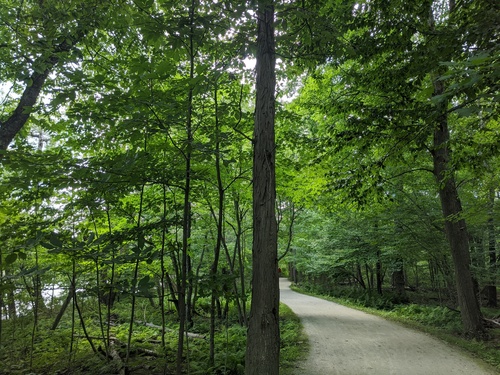
Nuts · September–October
Hickory nuts
Carya ovata
Where: Upland hardwood forests (shagbark and shellbark are best).
Look-alikes & cautions: Bitternut hickory is too bitter to eat. Cure before cracking.
Use: Baking
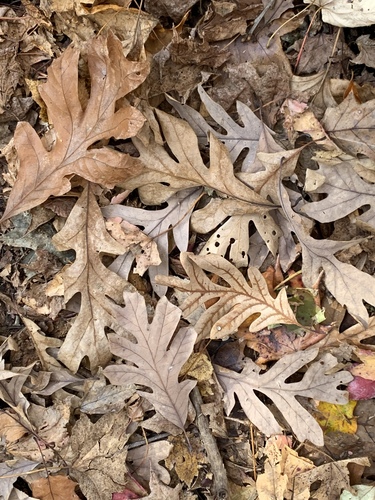
Nuts · September–November
Acorns
Quercus alba
Where: Under oaks — white oak acorns are the least bitter.
Look-alikes & cautions: All acorns must be leached of tannins (soaked through many changes of water) before eating. Discard ones with holes.
Use: Leached flour and meal
Learn With Others
The best way to learn wild foods is alongside someone who knows them. Ask for identification help in the Foraging group — post clear photos of every part of the plant or mushroom — and never eat anything on an online ID alone.