Grade 2 Science
A free Grade 2 course from the PGAMO Free K–12 School, built on Core Knowledge Science. Units: Properties of Matter, Organisms and Their Habitats, Exploring Land and Water, Electricity and Magnetism, Human Cells and Digestion.
Every lesson has the chapter’s pages to read right on screen, the Big Question, words to know, talk-it-over questions with answers for the teacher, and activity pages to print. Each unit ends with a short quiz, and every unit has a printable study pack for learning offline.
This course is based on an original work of the Core Knowledge® Foundation (www.coreknowledge.org) made available through licensing under a Creative Commons Attribution-NonCommercial-ShareAlike 4.0 International License. This does not in any way imply that the Core Knowledge Foundation endorses this work. PGAMO added the lesson pages, study packs and quizzes layout, and shares them under the same license. CC BY-NC-SA 4.0 · Core Knowledge Science. Free for everyone — this course may never be sold.
Features
- 72 lessons in 5 units
- The books’ pages right in each lesson
- Unit quizzes
- Printable offline study packs
Target audiences
- Grade 2 students
- Homeschool families and co-ops
Requirements
- Nothing to buy — every book is included free
- A parent or teacher to read and talk with younger students
Kurikulum
- Mga Seksyon sa 6
- Mga Leksyon sa 78
- 36 nga mga Semana
- Start here1
- Unit 1: Properties of Matter16
- 2.1Getting started: Meet the Big Question30 Minuto
- 2.2Lesson 1.1: What Is in Our Backpacks?30 Minuto
- 2.3Lesson 1.2: Matter Takes Up Space30 Minuto
- 2.4Lesson 1.3: How Do We Describe Things?30 Minuto
- 2.5Lesson 1.4: Temperature and Matter30 Minuto
- 2.6Lesson 1.5: Lesson 1 Roundup: Sorting and Grouping Matter30 Minuto
- 2.7Lesson 2.1: A Melty Mess30 Minuto
- 2.8Lesson 2.2: Changing the Temperature of Water30 Minuto
- 2.9Lesson 2.3: Lesson 2 Roundup: Investigating Changes to Matter30 Minuto
- 2.10Lesson 3.1: How Materials Hold Water30 Minuto
- 2.11Lesson 3.2: Lesson 3 Roundup: What Properties Make Materials Useful?30 Minuto
- 2.12Lesson 4.1: Pieces and Parts30 Minuto
- 2.13Lesson 4.2: What Are the Parts of a Ballpoint Pen?30 Minuto
- 2.14Lesson 4.3: Lesson 4 Roundup: Build It Up, Take It Down30 Minuto
- 2.15Unit 1 review and assessment45 Minuto
- 2.16Unit 1 words quiz: Properties of Matter20 Minuto12 Questions
- Unit 2: Organisms and Their Habitats19
- 3.1Getting started: Meet the Big Question30 Minuto
- 3.2Lesson 1.1: Types of Plants Around Me30 Minuto
- 3.3Lesson 1.2: Plants in Different Places30 Minuto
- 3.4Lesson 1.3: Plant Habitats30 Minuto
- 3.5Lesson 1.4: Lesson 1 Roundup: Plants and Butterflies30 Minuto
- 3.6Lesson 2.1: Finding Out What Plants Need30 Minuto
- 3.7Lesson 2.2: Testing What Plants Need30 Minuto
- 3.8Lesson 2.3: Collecting Data About What Plants Need30 Minuto
- 3.9Lesson 2.4: What Plants Need30 Minuto
- 3.10Lesson 2.5: Lesson 2 Roundup: Plants and Sunlight and Water30 Minuto
- 3.11Lesson 3.1: Types of Animals Around Me30 Minuto
- 3.12Lesson 3.2: Animals in a Habitat30 Minuto
- 3.13Lesson 3.3: Animal Habitats30 Minuto
- 3.14Lesson 3.4: Lesson 3 Roundup: Butterflies and Other Animals30 Minuto
- 3.15Lesson 4.1: Plants Need Animals30 Minuto
- 3.16Lesson 4.2: Animals Need Plants30 Minuto
- 3.17Lesson 4.3: Lesson 4 Roundup: Plants and Animals Depend on Each Other30 Minuto
- 3.18Unit 2 review and assessment45 Minuto
- 3.19Unit 2 words quiz: Organisms and Their Habitats20 Minuto12 Questions
- Unit 3: Exploring Land and Water26
- 4.1Getting started: Meet the Big Question30 Minuto
- 4.2Lesson 1.1: What Are Hills and Mountains?30 Minuto
- 4.3Lesson 1.2: What Are Weathering and Erosion?30 Minuto
- 4.4Lesson 1.3: Weathering and Erosion Problems30 Minuto
- 4.5Lesson 1.4: What Keeps the Water Out?30 Minuto
- 4.6Lesson 2.1: What Are Glaciers and Valleys?30 Minuto
- 4.7Lesson 2.2: Let’s Map It!30 Minuto
- 4.8Lesson 2.3: How Does Water Flow?30 Minuto
- 4.9Lesson 2.4: What Does Water Move?30 Minuto
- 4.10Lesson 2.5: Where Can We Find Water?30 Minuto
- 4.11Lesson 2.6: Modeling Land and Water Features30 Minuto
- 4.12Lesson 3.1: What Is Yellowstone National Park?30 Minuto
- 4.13Lesson 3.2: Geysers and Groundwater30 Minuto
- 4.14Lesson 3.3: What Are Volcanoes?30 Minuto
- 4.15Lesson 3.4: Modeling Volcanoes and Earthquakes30 Minuto
- 4.16Lesson 4.1: What Is Yosemite National Park?30 Minuto
- 4.17Lesson 4.2: What Is a Landslide?30 Minuto
- 4.18Lesson 4.3: Preventing Landslides30 Minuto
- 4.19Lesson 5.1: What Is Arches National Park?30 Minuto
- 4.20Lesson 5.2: How Can Sandstone Be Shaped?30 Minuto
- 4.21Lesson 6.1: What Is Cape Cod National Seashore?30 Minuto
- 4.22Lesson 6.2: Sand on the Move!30 Minuto
- 4.23Lesson 6.3: Sand Dunes and Beaches30 Minuto
- 4.24Lesson 6.4: Protecting Sand Dunes30 Minuto
- 4.25Unit 3 review and assessment45 Minuto
- 4.26Unit 3 words quiz: Exploring Land and Water20 Minuto12 Questions
- Unit 4: Electricity and Magnetism12
- 5.1Lesson 1: What Is Lightning?30 Minuto
- 5.2Lesson 2: What Has Electricity?30 Minuto
- 5.3Lesson 3: What Are the Types of Electricity?30 Minuto
- 5.4Lesson 4: It’s Not Magic…It’s Static!30 Minuto
- 5.5Lesson 5: What Are the Sources of Electricity?30 Minuto
- 5.6Lesson 6: What Is a Circuit?30 Minuto
- 5.7Lesson 7: Building a Simple Circuit30 Minuto
- 5.8Lesson 8: Magnets and Electricity30 Minuto
- 5.9Lesson 9: Magnets and Rotating Motion30 Minuto
- 5.10Lesson 10: Science in Action: A Day with an Electrician30 Minuto
- 5.11Unit 4 review and assessment45 Minuto
- 5.12Unit 4 words quiz: Electricity and Magnetism20 Minuto12 Questions
- Unit 5: Human Cells and Digestion9
- 6.1Lesson 1: Why Do We Get Hungry?30 Minuto
- 6.2Lesson 2: What Is the Digestive System?30 Minuto
- 6.3Lesson 3: Food Is Fuel30 Minuto
- 6.4Lesson 4: Cells Work Together30 Minuto
- 6.5Lesson 5: Tissues Make Up Organs30 Minuto
- 6.6Lesson 6: Body Wastes30 Minuto
- 6.7Lesson 7: Science in Action: Nutrition and Staying Well30 Minuto
- 6.8Unit 5 review and assessment45 Minuto
- 6.9Unit 5 words quiz: Human Cells and Digestion20 Minuto12 Questions
Magtutudlo
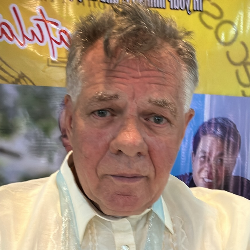
Founder and Director of Pentecostal Gospel Assemblies