Look-alikes Kill
Never eat a wild plant or mushroom on one photo or app. U.S. Poison Control: 1-800-222-1222.
Safety & Ethics →Seasonal Foraging Guide
Wild greens, berries, fruit, nuts and mushrooms month by month — where they grow, how to use them, and the look-alikes to watch for.
Foraging Tracker
Log what you find and when, and build your own calendar for your land.
Open the Tracker →Best foraging near you right now
What’s in season this month and actually being found within about 50 miles of you.
Your location is rounded to about 7 miles and never saved on our site.
Sightings from iNaturalist research-grade observations. Photos © their photographers via iNaturalist, used under Creative Commons licenses.
Season calendar
| Wild food | Jan | Feb | Mar | Apr | May | Jun | Jul | Aug | Sep | Oct | Nov | Dec | |
|---|---|---|---|---|---|---|---|---|---|---|---|---|---|
| Ramps (wild leeks) | |||||||||||||
| Wild onion & wild garlic | |||||||||||||
| Dandelion | |||||||||||||
| Stinging nettle | |||||||||||||
| Lamb’s quarters | |||||||||||||
| Purslane | |||||||||||||
| Chickweed | |||||||||||||
| Wild violets | |||||||||||||
| Fiddleheads (ostrich fern) | |||||||||||||
| Cattail shoots | |||||||||||||
| Wild asparagus |
Typical seasons for the eastern and central United States. Farther south things come in earlier; farther north and higher up, later.
What to look for
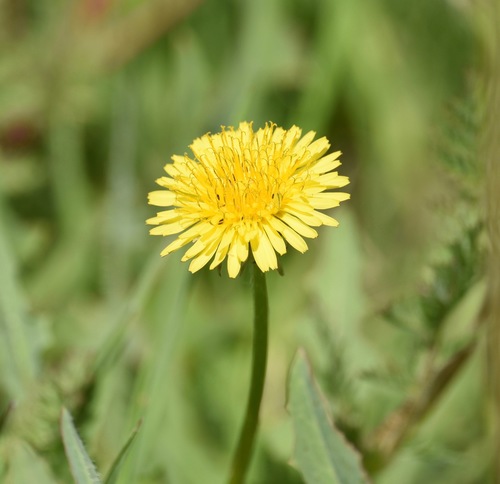
Greens & shoots · March–October
Dandelion
Taraxacum
Where: Lawns, fields and roadsides — pick where nothing has been sprayed.
Look-alikes & cautions: True dandelion has one flower on a hollow, leafless stem and toothed, hairless leaves. Look-alikes such as cat’s-ear and chicory are also edible.
Use: Young greens, flowers and roots
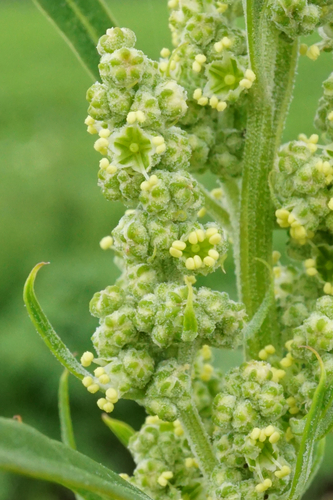
Greens & shoots · May–September
Lamb’s quarters
Chenopodium album
Where: Gardens, barnyards and disturbed ground.
Look-alikes & cautions: Young leaves have a white, mealy coating underneath. Like spinach it is high in oxalates — eat cooked and in moderation.
Use: Cook like spinach
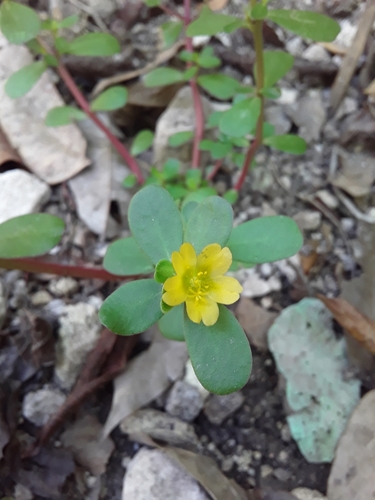
Greens & shoots · June–September
Purslane
Portulaca oleracea
Where: Gardens, sidewalk cracks and hot, sunny ground.
Look-alikes & cautions: Spotted spurge looks similar but is toxic: it has milky white sap and thin, wiry stems. Purslane has thick, juicy stems and clear sap.
Use: Fresh in salads or pickled
Learn With Others
The best way to learn wild foods is alongside someone who knows them. Ask for identification help in the Foraging group — post clear photos of every part of the plant or mushroom — and never eat anything on an online ID alone.